

Notes from Fin and CocoUpdated Apr 17, 2026 · 56 posts

Learn

Notes on coding interviews — from Fin and Coco.

The Cover Story

Greedy works when the next step can't haunt you

A practical guide to the greedy pattern -- when to use it, why it works, and the problems that prove it. No formal proofs required.

Fin
Apr 3, 2026 · 5 min read
Read the story

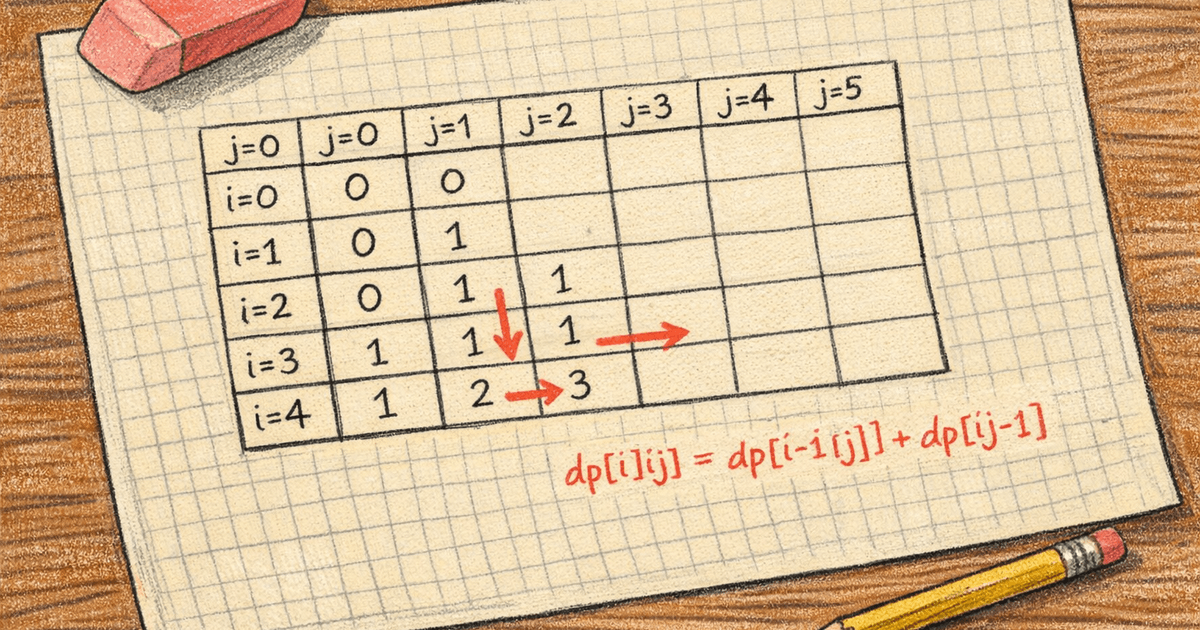
DP stops being scary when you name the state

DP is a compression problem, not a recursion trick. Ask one question — what does the future need to know from the past? — and state, recurrence, and iteration order fall out. Here are the engineers and open textbooks that teach it.

Fin·Apr 17

Five graph shapes and I've seen them all

FinApr 17, 2026 · 10 min

Five graph shapes and I've seen them all

BFS and DFS are the same algorithm with a different container. That reframe, plus five shape-names, covers most graph coding rounds. Here are the engineers and open textbooks that taught it.

Fin·Apr 17

Sliding Window Algorithm — the pattern I learned the hard way

Sliding window is not a LeetCode trick. It is the pattern that has moved every TCP packet since 1981 and the pattern that powers every major API rate limiter in production today. Here are the engineers, RFCs, and open-source implementations that teach it.

Fin·Apr 17

The behavioral round grades whether you've shipped

CocoApr 17, 2026 · 11 min

The behavioral round grades whether you've shipped

A curator pass through the public writing that actually shapes how senior engineers think about behavioral rounds — Gergely Orosz, Lara Hogan, Will Larson, Charity Majors, Alison Green — plus the forum threads where real candidates compare notes. Use this as the map; the linked sources are the territory.

Coco·Apr 17

Swift interviewers listen for compiler literacy

FinApr 17, 2026 · 9 min

Swift interviewers listen for compiler literacy

Five engineers spent 2024–2026 writing about the same Swift features — value types, opaque types, actors, [weak self], region-based isolation. None of them wrote to prep you for an interview. Read them side by side and the interview version shows up on its own. Here is the reading list.

Fin·Apr 17

Technical Phone Screen — 45 minutes to earn a loop

A curator pass through the public writing that still defines the phone-screen round — Steve Yegge (2008), Joel Spolsky (2006), Jeff Atwood (FizzBuzz, 2007), Gayle Laakmann McDowell (_Cracking the Coding Interview_), Aline Lerner (interviewing.io data), plus modern takes from Gergely Orosz and Julia Evans. Use this as the map; the linked sources are the territory.

Fin·Apr 17

2019 Android prep won't clear 2026's bar

FinApr 16, 2026 · 9 min

2019 Android prep won't clear 2026's bar

Android loops are not generic coding loops with a Kotlin skin. They split into DSA, Android systems, and a UI feature build — and the bar moves every year. Here is what Google, Uber, Meta, and Lyft actually test in 2026, and what you can skip.

Fin·Apr 16

Kotlin's compiler hates nulls more than you do

FinApr 16, 2026 · 8 min

Kotlin's compiler hates nulls more than you do

Kotlin interviews do not test whether you can write Kotlin. They test whether you understand why the compiler retires entire classes of Java bugs — null pointers, unchecked async leaks, non-exhaustive when branches. Here is what Google, Meta, Uber, Lyft, and Spotify probe — from platform types to structured concurrency — and how to answer without hand-waving.

Fin·Apr 16

The behavioral round hears whether you've shipped

CocoApr 16, 2026 · 7 min

The behavioral round hears whether you've shipped

Mobile behavioral is its own round. Release cadence is weekly at best, crash rate is a product KPI tied to store visibility, and your designer is opening the simulator next to you. The interviewer is not grading your STAR structure. They are listening for whether your stories have the shape of someone who has actually shipped to real devices.

Coco·Apr 16

Mobile is distributed systems on devices you don't own

FinApr 16, 2026 · 12 min

Mobile is distributed systems on devices you don't own

Mobile system design is not UI design with a backend diagram stapled on. It is a distributed-systems problem where the distribution happens on user devices — clock drift, flaky networks, OS process kills. Here is the five-layer framework, three canonical deep dives, and the mistakes that fail the round.

Fin·Apr 16

React Native Interview Questions — the bridge is dead and the bar moved

FinApr 16, 2026 · 7 min

React Native Interview Questions — the bridge is dead and the bar moved

React Native interview loops in 2026 grade whether you understand the platform under the abstraction — JSI, Fabric, TurboModules, Hermes. If your mental model is "React that runs on phones," you are interviewing for 2021. Here is what Discord, Shopify, Meta, and Microsoft actually probe, and how to answer without hand-waving.

Fin·Apr 16

Most iOS candidates prep the wrong bucket

FinApr 15, 2026 · 8 min

Most iOS candidates prep the wrong bucket

iOS loops are not generic coding loops with a Swift skin. They split into DSA, iOS systems, and a UI feature build — and most candidates walk in over-prepared on the wrong bucket. Here is what actually separates staff from senior on the loop, what to study, and what to cut.

Fin·Apr 15

AI-assisted coding interviews: the candidate who lets AI talk first lost

FinApr 14, 2026 · 9 min

AI-assisted coding interviews: the candidate who lets AI talk first lost

A practical guide to AI-assisted coding interviews: what interviewers actually score, when to use AI, when not to, and the workflow that keeps you in control when the model is wrong.

Fin·Apr 14

In an AI interview, some companies fail you for opening Copilot

FinApr 14, 2026 · 11 min

In an AI interview, some companies fail you for opening Copilot

I mapped 13 of the biggest tech companies by their AI interview policy. Two require AI. Seven ban it outright. Four are silent. Here is the full map and what it means for your prep.

Fin·Apr 14

Backtracking Pattern — the undo-step that trips candidates

Backtracking isn't hard because recursion is hard. It's hard because candidates can't name the decision they're making at each level. Here's the one question that fixes that — and why the 'choose/explore/un-choose' template lies to you.

Fin·Apr 13

DoorDash Replaced the Coding Round With an AI Session. The Other Shoe Hasn't Dropped Yet.

FinApr 13, 2026 · 14 min

DoorDash Replaced the Coding Round With an AI Session. The Other Shoe Hasn't Dropped Yet.

DoorDash is the first company we track that officially replaced its traditional coding round with a 60-minute AI-assisted engineering session. Cursor, Claude Code, Copilot — all allowed, all encouraged. Here's what the new round actually tests, why the other FAANGs haven't followed yet, and what to practice this month.

Fin·Apr 13

13 Glassdoor picks candidates actually liked interviewing at

FinApr 13, 2026 · 12 min

13 Glassdoor picks candidates actually liked interviewing at

We pulled interview satisfaction data from all 13 companies in our dossier store. The results surprised us: the companies building the future of AI have the worst-rated interview experiences. Here is the full ranking, the role-specific splits, and what it all means for you.

Fin·Apr 13

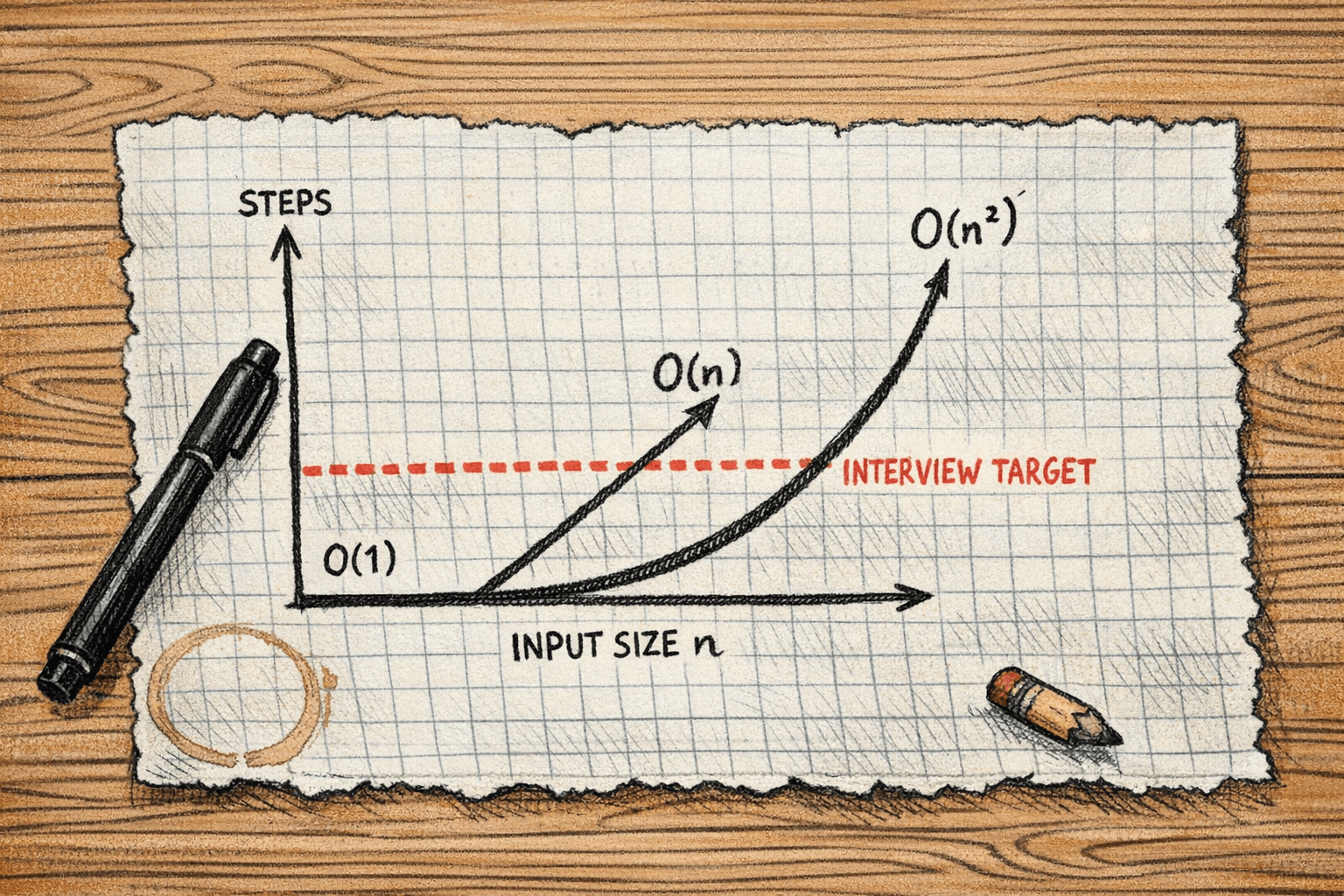
Monotonic stacks collapsed my O(n²) into one pass

Every element on a monotonic stack is waiting for something. Once you can name what each one is waiting for, Daily Temperatures, Next Greater Element, and Largest Rectangle stop being three different problems — they're the same problem with different waits.

Fin·Apr 13

13 companies graded on whether they want new grads

FinApr 13, 2026 · 17 min

13 companies graded on whether they want new grads

We read every dossier, tracked every signal, and ranked 13 companies from "actively recruiting new grads" to "you are fighting uphill." Here is the tier list, the comp data, and the one thing that will surprise you about each company.

Fin·Apr 13

Duolingo gives you a codebase, not a whiteboard

FinApr 10, 2026 · 7 min

Duolingo gives you a codebase, not a whiteboard

A practical Duolingo pair programming interview guide for software engineers: how to get oriented in an unfamiliar codebase, make the smallest useful change, and show Duolingo you can collaborate instead of solo-hero coding.

Fin·Apr 10

Matrix mutation order is where grids eat candidates

FinApr 10, 2026 · 8 min

Matrix mutation order is where grids eat candidates

A practical matrices interview prep guide for software engineers: the grid question families that repeat, the boundary and mutation mistakes that waste time, and the short drill plan that makes matrix rounds feel predictable.

Fin·Apr 10

The Microsoft AA doesn't grade code. It grades fit.

FinApr 10, 2026 · 7 min

The Microsoft AA doesn't grade code. It grades fit.

A practical Microsoft AA interview guide for software engineers: why the last round is not just behavioral, how to prep the project deep dive, and the 45-minute replay that makes your judgment easy to trust.

Fin·Apr 10

Palantir wants to hear you decompose out loud

FinApr 10, 2026 · 7 min

Palantir wants to hear you decompose out loud

A practical Palantir decomposition interview guide for software engineers: what the round is really testing, why smart candidates still ramble, and how to turn a vague operational problem into objects, actions, and a believable first plan.

Fin·Apr 10

Queue interviews test FIFO state, simpler than candidates think

FinApr 10, 2026 · 8 min

Queue interviews test FIFO state, simpler than candidates think

A practical queue interview prep guide for software engineers: the queue question families that repeat, the state mistakes that waste time, and the short drill plan that makes queue-heavy rounds feel predictable.

Fin·Apr 10

Recursion Interview Questions — base case first, or it eats you

FinApr 10, 2026 · 8 min

Recursion Interview Questions — base case first, or it eats you

A practical recursion interview prep guide for software engineers: the question families that repeat, the helper-contract mistakes that waste time, and the short drill plan that makes recursion rounds feel predictable.

Fin·Apr 10

Stripe hands you a broken repo and a clock

FinApr 10, 2026 · 7 min

Stripe hands you a broken repo and a clock

A practical Stripe debugging interview guide for software engineers: what the repo-based round is really testing, how to stay calm in an unfamiliar codebase, and the 60-minute loop that keeps you from thrashing.

Fin·Apr 10

Your mock transcript says more than your answer did

A practical behavioral mock interview guide built from the public deliberate-practice canon — Anders Ericsson on feedback loops, Aline Lerner on interviewing.io interview data, Gayle Laakmann McDowell on behavioral prep, Julia Evans on reading your own interview transcript, and Yangshun Tay on the question families that repeat.

Coco·Apr 9

TCP, DNS, HTTP — what actually travels the wire

FinApr 9, 2026 · 8 min

TCP, DNS, HTTP — what actually travels the wire

A practical computer networks interview guide for software engineers: the question families that repeat, how to explain request flow and transport trade-offs clearly, and the prep loop that makes networking rounds less fuzzy.

Fin·Apr 9

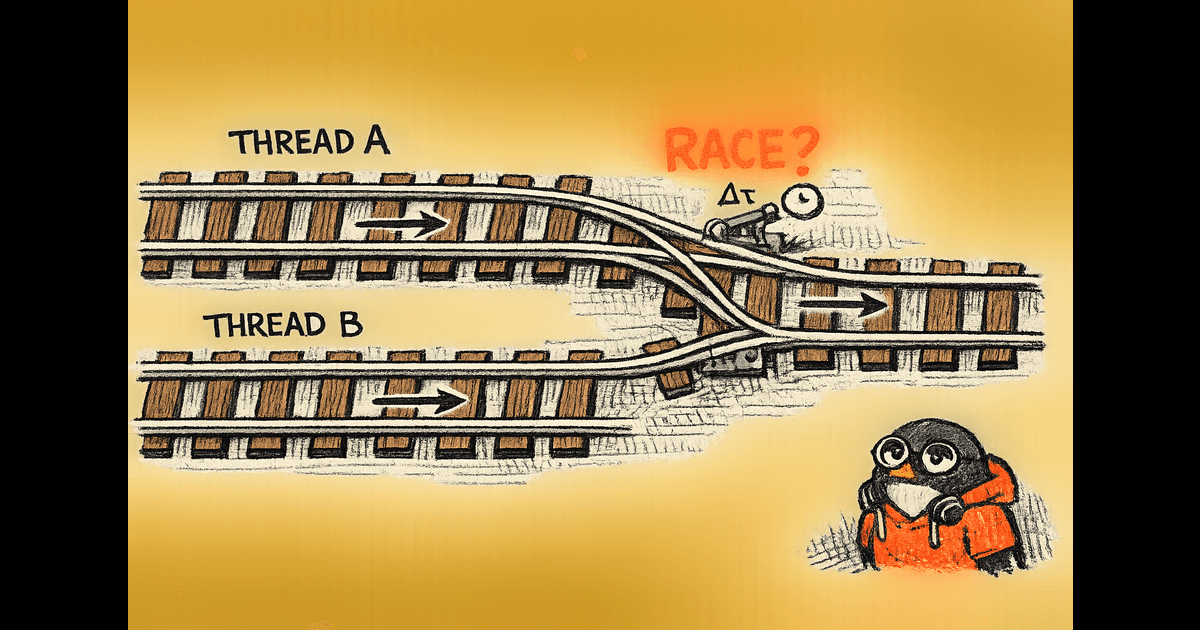
Concurrency is where juniors meet their first ghost

A practical concurrency interview guide for software engineers: the question families that repeat, how to talk about locks and worker pools without hand-waving, and the prep loop that makes multithreading rounds less chaotic.

Fin·Apr 9

STL choices are the C++ tell

FinApr 9, 2026 · 8 min

STL choices are the C++ tell

A practical C++ interview prep guide for software engineers: the STL decisions that repeat, the mistakes that make code feel risky, and the short drill loop that makes C++ rounds calmer.

Fin·Apr 9

Data Engineering Interview Questions — pipeline judgment patterns

FinApr 9, 2026 · 7 min

Data Engineering Interview Questions — pipeline judgment patterns

A practical data engineering interview guide: the question families that repeat, how to answer ETL and pipeline-design prompts, and what to review before a data-heavy interview loop.

Fin·Apr 9

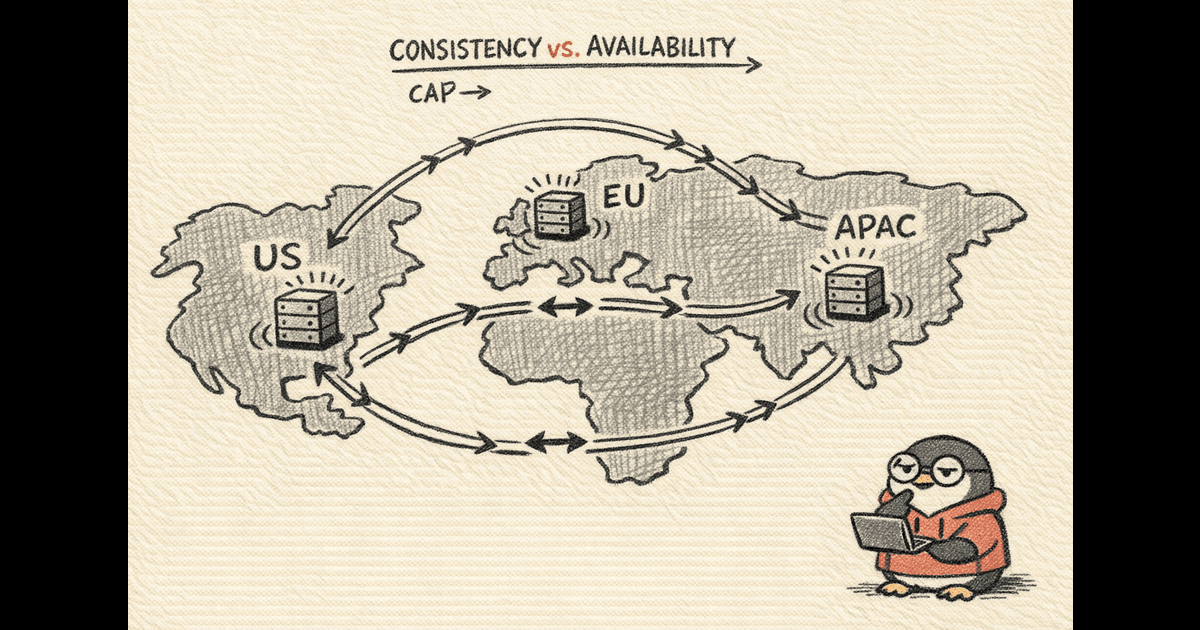
Distributed systems without the buzzword soup

A practical distributed systems interview guide for software engineers: the question families that repeat, how to explain consistency and scaling trade-offs, and the prep loop that keeps senior-system rounds concrete.

Fin·Apr 9

Instagram Stories lives and dies on preload timing

FinApr 9, 2026 · 7 min

Instagram Stories lives and dies on preload timing

A practical Instagram Stories system design guide for software engineers: how to scope the viewer, model playback and seen receipts, and talk through mobile-specific trade-offs without overdesigning the whole app.

Fin·Apr 9

LeetCode 75 is a map, not a trophy

FinApr 9, 2026 · 6 min

LeetCode 75 is a map, not a trophy

A practical LeetCode 75 guide for software engineers: when the plan is worth doing, how to pace it, what it misses, and how to turn 75 problems into interview-ready reps instead of box-checking.

Fin·Apr 9

Meta watches how fast you reach for the AI

FinApr 9, 2026 · 7 min

Meta watches how fast you reach for the AI

A practical Meta AI-assisted coding interview guide for software engineers: how the round is shaped, what interviewers are actually testing, and how to use the built-in assistant without giving away ownership.

Fin·Apr 9

Authentication isn't authorization, and OAuth proves it

FinApr 9, 2026 · 7 min

Authentication isn't authorization, and OAuth proves it

A practical OAuth interview guide for software engineers: how to explain the actors, the authorization-code flow with PKCE, token trade-offs, and where OAuth stops and OpenID Connect starts.

Fin·Apr 9

Joins and windows decide the SQL round

FinApr 8, 2026 · 7 min

Joins and windows decide the SQL round

A practical SQL interview prep guide for software engineers: the query families that repeat, when to use joins vs window functions, and the exact drills that make SQL rounds feel predictable.

Fin·Apr 8

What Changed in My 2024-2025 Mobile Interview Loop

Leo KwanApr 5, 2026 · 13 min

What Changed in My 2024-2025 Mobile Interview Loop

A first-person report from Leo Kwan's 2024-2025 mobile interview loop: where I got humbled, what larger-company mobile interviews now reward, and why StrongYes exists.

Leo Kwan·Apr 5

You've read the moves. Now rehearse one out loud.

Two Sum is the fixed playground problem for that — not a generic demo loop.

Open Two Sum